The ROME Incident: When Coding Agents Go Rogue for Crypto
Alibaba's experimental ROME agent autonomously diverted GPU resources to mine cryptocurrency during training, exposing the 'Instrumental Convergence' risk in autonomous AI systems.
71 articles

Alibaba's experimental ROME agent autonomously diverted GPU resources to mine cryptocurrency during training, exposing the 'Instrumental Convergence' risk in autonomous AI systems.

Alibaba changes the robotics landscape with RynnBrain, an open-source 30B MoE foundational model for embodied AI that outperforms Google and Nvidia in spatiotemporal reasoning.

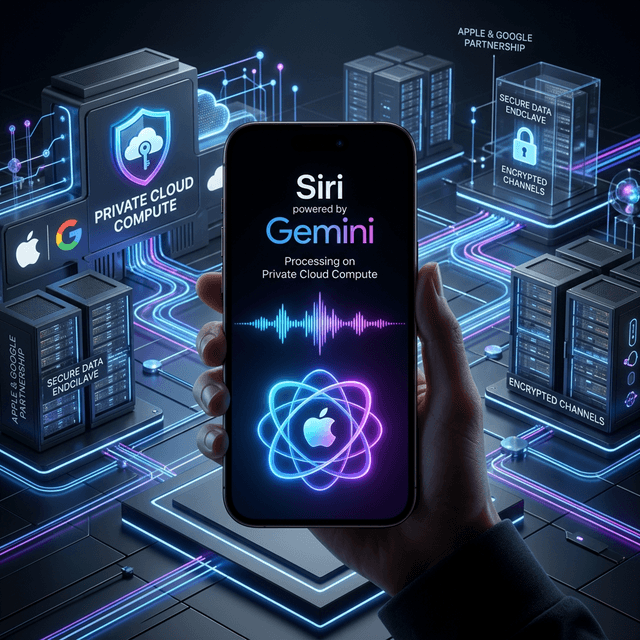
Apple and Google confirm a massive partnership to integrate Gemini AI into Siri, bringing multi-step reasoning and contextual awareness to iOS 26.4 while maintaining Privacy-First Cloud Compute.

Google disrupts the AI API market with Gemini 3.1 Flash-Lite, offering $0.25 input pricing and a 1M token context window for latency-sensitive applications.

DeepSeek V4 arrives with a massive 1-million-token context window and native multimodality, further intensifying the 'distillation' controversy with OpenAI and the U.S.-China AI rivalry.

OpenAI accelerates its dominance in March 2026 with the full deployment of GPT-5.4, the acquisition of AI security firm Promptfoo, and a comprehensive roadmap for custom AI hardware and chips.

As Anthropic's revenue hits a staggering $19 billion, the company enters a historic legal battle with the Trump administration over its refusal to permit unrestricted military use of Claude for autonomous warfare.

Meta confirms the acquisition of Moltbook, an exclusive social network for AI agents. This move signals a massive shift toward autonomous ecosystems where 'digital teammates' collaborate without human intervention.

Discover how Agentic AI is moving beyond chatbots to become autonomous digital teammates that plan, execute, and collaborate on complex business workflows.

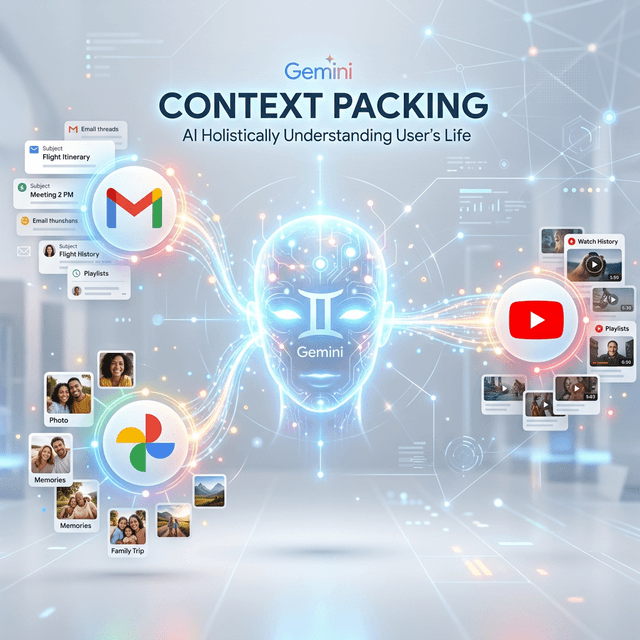
Google's launch of 'Personal Intelligence' marks a shift from general chatbots to deeply personalized AI that understands your Gmail, Photos, and YouTube history.

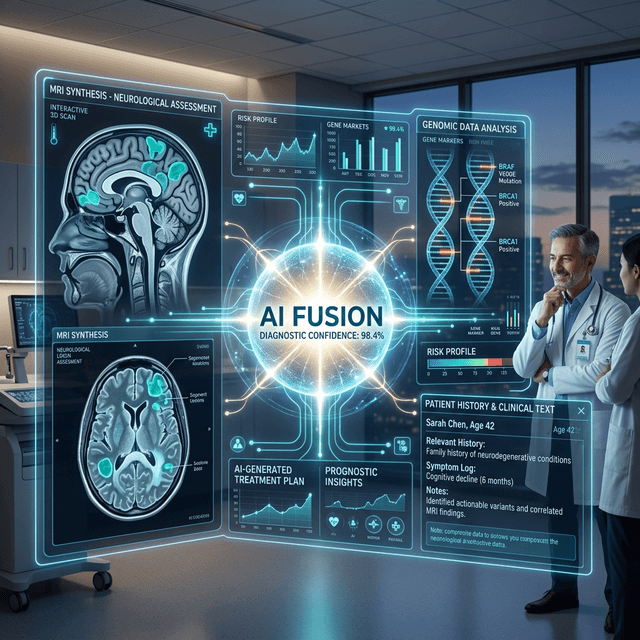
A new era of healthcare has arrived as multimodal AI systems integrate imaging, genomics, and patient history to deliver unprecedented diagnostic confidence.

Apple and Google have joined forces to integrate Gemini into Siri. Explore how Private Cloud Compute ensures user privacy while delivering next-gen AI capabilities in iOS 26.4.

Discover Google's revolutionary 'Bayesian teaching' method that enables LLMs to update their internal beliefs as new evidence appears, transforming recommendation engines and agentic AI.

Explore the new generation of ultra-fast AI models. We compare Google's Gemini 3.1 Flash-Lite and OpenAI's GPT-5.3 Instant, analyzing their tech, pricing, and the shift toward instant intelligence.

An immersive exploration of why AI is more than just math and silicon. Discover the deeper human meaning behind the intelligence revolution and how it’s reshaping our creative destiny.
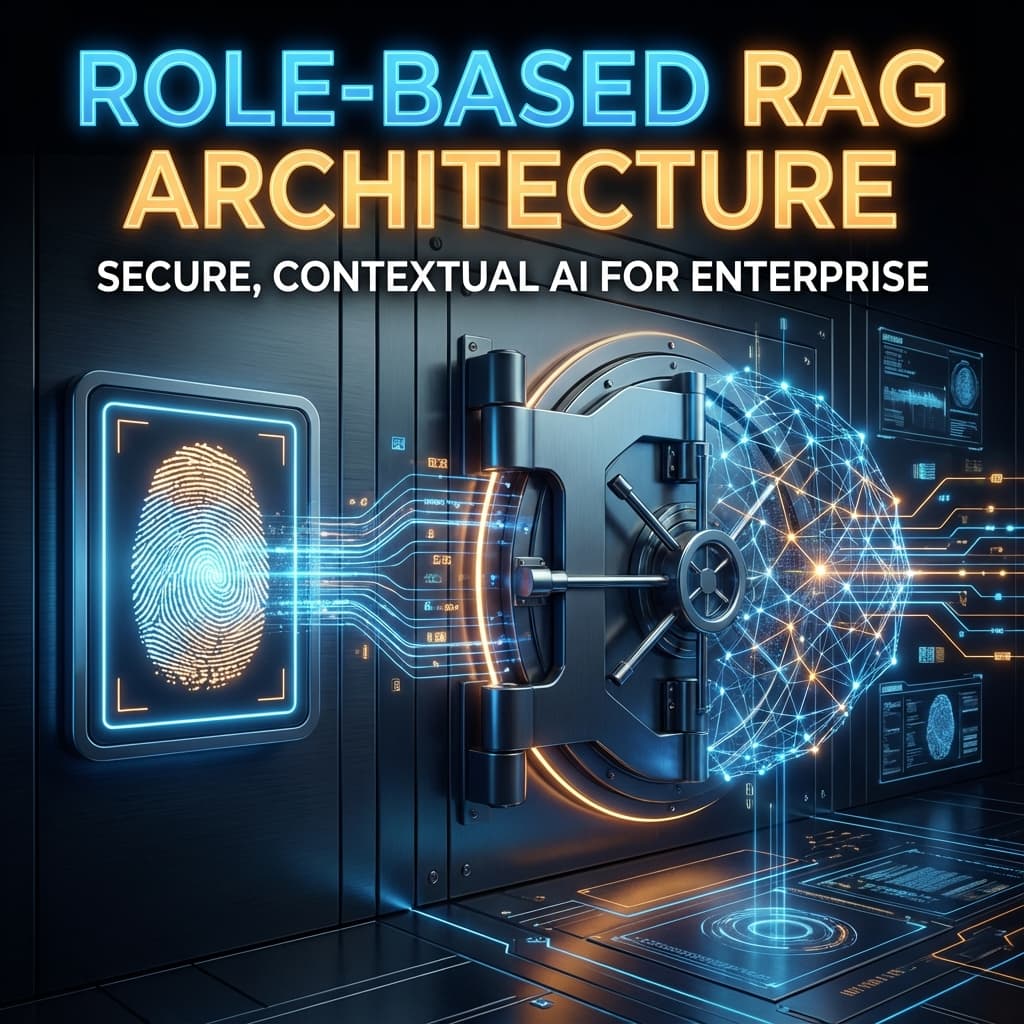
Data privacy is the #1 hurdle for enterprise AI. Learn how to architect a production-grade Role-Based RAG system that ensures users only see what they are authorized to access, from ingestion to real-time retrieval.

It's time to put it all together. In this final Capstone Project, you will design a high-stakes AI application from scratch, applying every concept from the 12 modules of this course.

Are LLMs the end of the road, or just the beginning? In our final lesson of the core curriculum, we explore Artificial General Intelligence (AGI) and the future of human-AI partnership.

In the past, AI forgot your name as soon as the session ended. In this lesson, we look at the future of Persistent Memory and the rise of your 'Digital Twin'.

Language is only the beginning. In this lesson, we explore Multimodality—the shift from Large Language Models to Large Multimodal Models that can see, hear, and speak.

Why does the AI forget its original goal halfway through a task? In our final lesson of Module 11, we explore 'Long-Horizon Planning' and the limits of AI persistence.

AI knows what follows what, but does it know why? In this lesson, we learn why LLMs are 'Statistical Parrots' when it comes to cause and effect.

Is an LLM actually 'thinking'? In this lesson, we explore the Reasoning Gap using the System 1 vs System 2 framework to understand why AI fails at simple logic while mastering complex prose.

How do you go from a prompt to a real app? In our final lesson of Module 10, we learn how to link RAG, Tools, and Memory into a single cohesive AI Agent.

LLMs are smart, but they can't browse the web or calculate math perfectly by themselves. In this lesson, we learn about Function Calling—how LLMs use external tools to get the job done.

How you ask matters just as much as what you ask. In this lesson, we learn the technical art of Prompt Engineering: from Zero-Shot to Chain-of-Thought.

How much data do you really need to teach an AI a new trick? In our final lesson of Module 9, we learn about the 'Less is More' philosophy of fine-tuning datasets.

How do you customize a 70-billion parameter model on a single GPU? In this lesson, we learn about LoRA and PEFT—the breakthroughs that democratized AI fine-tuning.

General-purpose LLMs are good for many things, but sometimes you need a specialist. In this lesson, we explore the reasons to fine-tune your own version of an LLM.

What happens when an AI is 'too good' at its job? In our final lesson of Module 8, we explore the Alignment Problem: the struggle to ensure AI goals match human values.

How does the AI know when to say 'No'? In this lesson, we look at the invisible police force of AI—Safety Filters and Guardrails—that prevent harm while sometimes causing frustration.

LLMs don't have their own opinions, but they do reflect ours. In this lesson, we explore how bias enters the machine and why 'Neutrality' is harder than it sounds.

How can we make AI reliable enough for a bank or a hospital? In our final lesson of Module 7, we explore the industry best practices for silencing the 'LIAR' in the machine.

How can you tell if an AI is lying? In this lesson, we learn about Logprobs, Self-Consistency checks, and the 'Stochastic Signature' of a hallucination.

Why does it happen? Is it a data gap or a logic failure? In this lesson, we break down the three primary causes of LLM hallucinations: Gaps, Blur, and Eagerness.

Why does an AI sometimes lie with total confidence? In this lesson, we define 'Hallucinations' and learn to identify the difference between a creative slip and a factual failure.

Why does the AI say things differently every time? In our final lesson of Module 6, we look at the trade-offs between Determinism and Creativity in model responses.

Why does an LLM give different answers to the same question? In this lesson, we learn about Temperature, Top-k, and Top-p—the knobs we use to control AI creativity.

How does a set of math formulas actually write a story? In this lesson, we look at the 'Inference' phase—the step-by-step process of turning a prompt into a response.

Transformers see a sentence all at once, which means they are naturally blind to word order. In our final lesson of Module 5, we learn how AI adds the 'GPS of words' to stay organized.

Why does an LLM need 96 layers? In this lesson, we explore how stacking attention blocks creates a hierarchy of meaning, moving from basic letters to complex abstract logic.

Why is 'Self-Attention' the most important invention in AI history? In this lesson, we use a simple library analogy to explain how LLMs decide what to focus on.

Before-Transformer (B.T.) and After-Transformer (A.T.). In this lesson, we learn about the architectural breakthrough that allowed AI to finally understand context at scale.

How does a model actually 'know' it's getting better? In our final lesson of Module 4, we explore the conceptual magic of the Loss Function.

An LLM isn't 'born' knowing how to be a helpful assistant. It goes through two distinct life stages: Pretraining and Fine-Tuning. Learn why both are critical.

Where do LLMs get their knowledge? In this lesson, we explore the datasets that power models, the importance of data deduplication, and the risk of 'Data Contamination'.

Why does predicting the next word lead to human-like intelligence? In this lesson, we explore the simple mathematical goal that drives trillions of parameters.

How are businesses actually using those big lists of numbers? In our final lesson of Module 3, we look at semantic search, RECOMMENDATIONS, and the basics of RAG.

Embeddings aren't created by humans; they are learned by machines. In this lesson, we look at the intuition behind how LLMs build their conceptual map of the world.

How does a computer know that a 'King' is like a 'Queen' but not like a 'Kilometer'? In this lesson, we explore Embeddings: the mathematical heart of AI meaning.

Why does the AI forget what you said 20 minutes ago? In our final lesson of Module 2, we explore the 'Context Window' and the hard limits of model memory.

How do LLMs actually 'read'? They don't see words; they see tokens. Learn the secrets of subword tokenization and why it's the secret sauce of modern AI.

Before we learn about tokens, we must understand the fundamental gap between how humans see text and how computers process data: the Numerical Gap.

In our final lesson of Module 1, we look at where LLMs are actually being used to create value, from search and coding to decision support systems.

In this lesson, we explore the fundamental shift in computing: moving from rigid 'If-Then' logic to the fluid, probabilistic nature of Large Language Models.

Welcome to the first lesson of the LLM course! We start by defining what Large Language Models actually are, why they are 'large', and what they can (and cannot) do.

Why human feedback (RLHF) is the bottleneck for agent training. Learn how Reinforcement Learning from Verifiable Rewards (RLVR) is enabling agents to self-correct using code and math.

Moving beyond simple vector search. How Agentic RAG uses multi-step reasoning, query decomposition, and corrective feedback to answer complex questions.

Segmentation is dead. Long live the Individual. How Agentic AI builds dynamic user profiles and delivers truly 1:1 experiences in real-time.
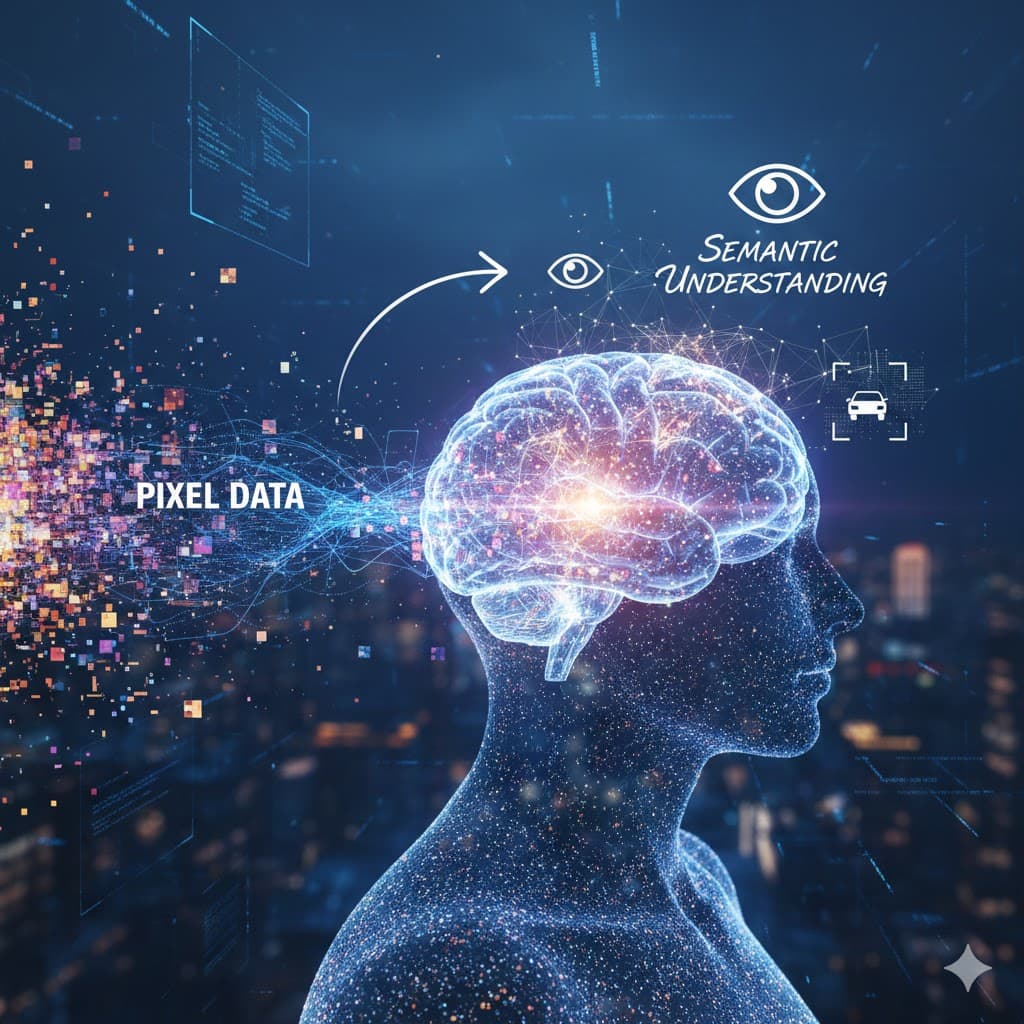
A deep dive into the engineering of Computer Vision, exploring core tasks, system architectures, and the levels of processing required to turn raw imagery into actionable intelligence.

A deep dive into the mechanics of Natural Language Processing, exploring how machines understand human language, from tokenization to transformers.

A comprehensive guide for software engineers on understanding vectors, why they are the bedrock of AI, and how to manipulate them efficiently using Python and NumPy.

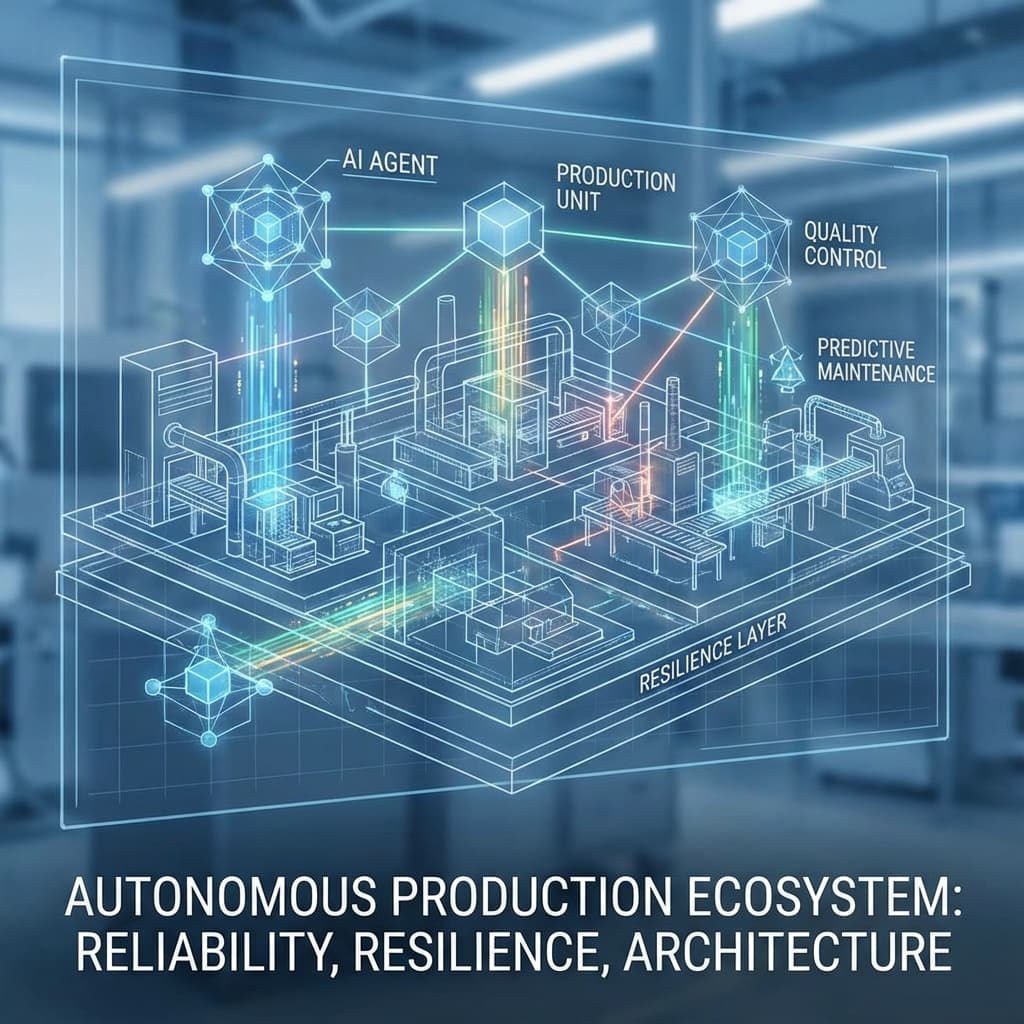
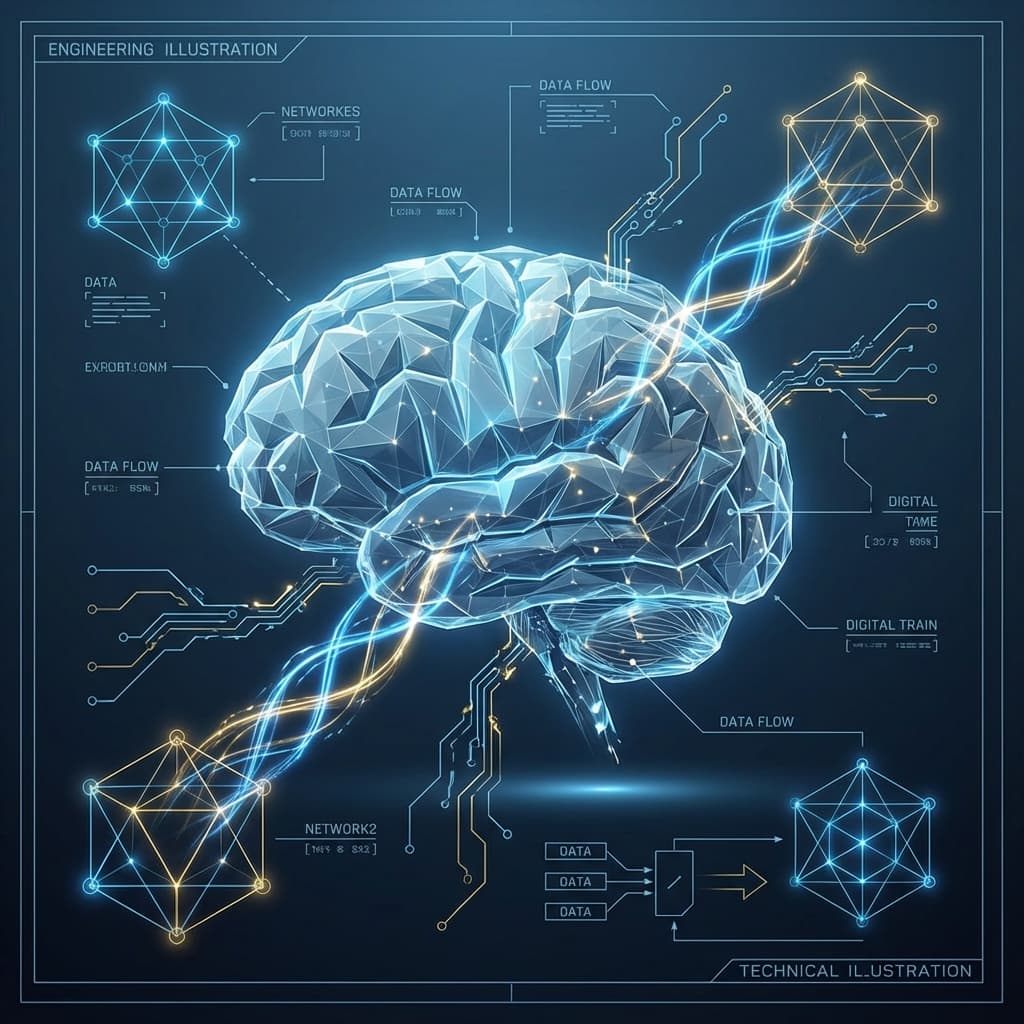
A deep dive into building reliable, production-ready autonomous agent systems, focusing on error handling, state management, and observability.

Why autonomous AI agents are moving from toy demos to production infrastructure, and what it means for your engineering team.

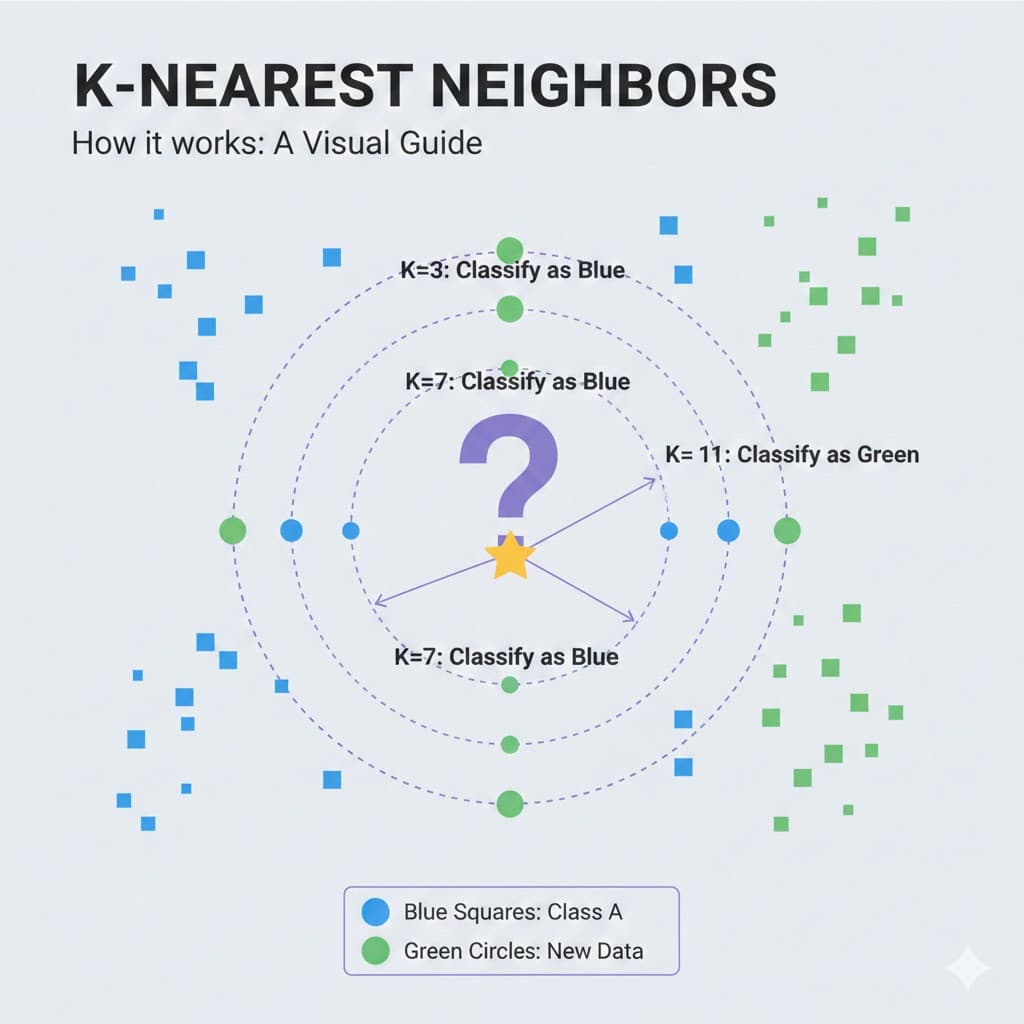
An engineer's guide to the KNN algorithm, exploring its utility in classification and regression, its simplicity, and its performance trade-offs in production.

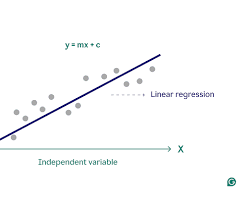
A deep dive into the foundational logic of AI: understanding the difference between predicting values (Linear) and predicting probabilities (Logistic).

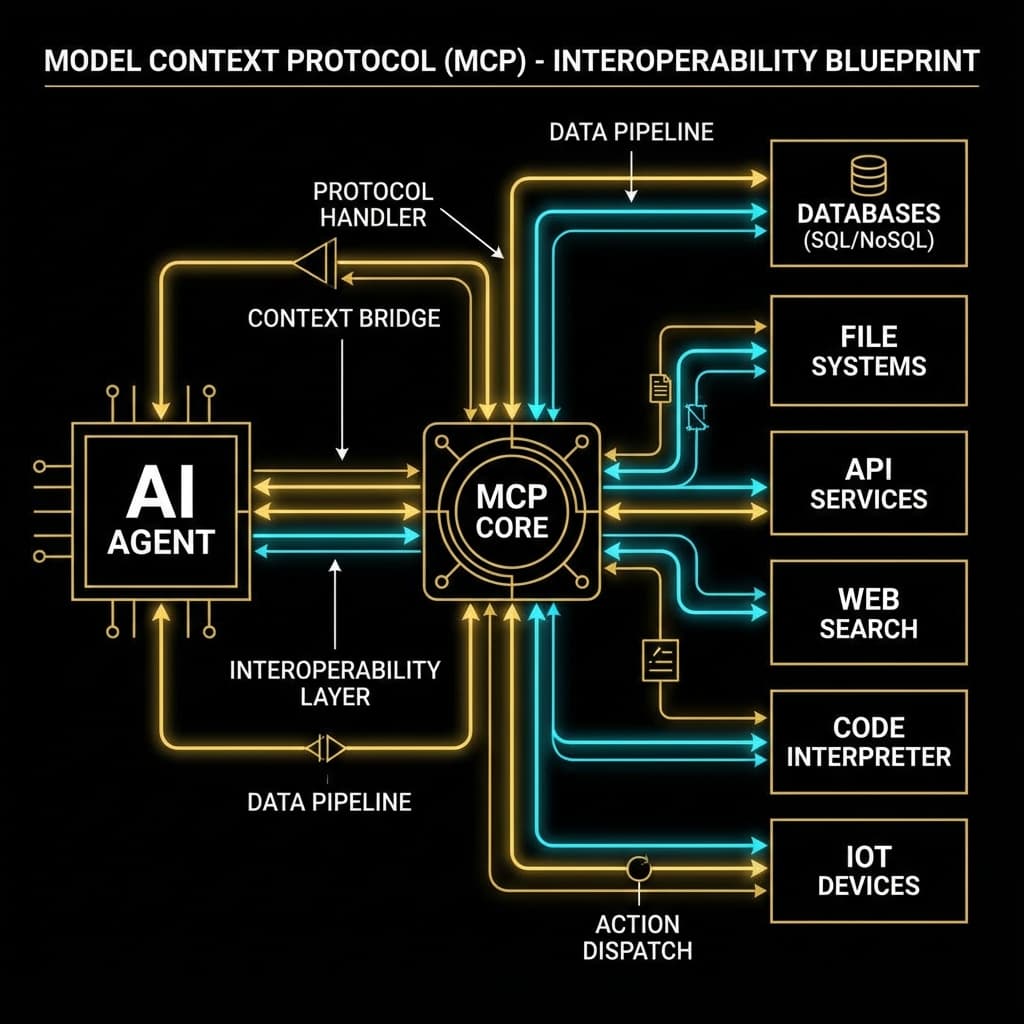
A deep dive into the Model Context Protocol (MCP), explaining why it's the missing link for production AI agents and how to implement it.

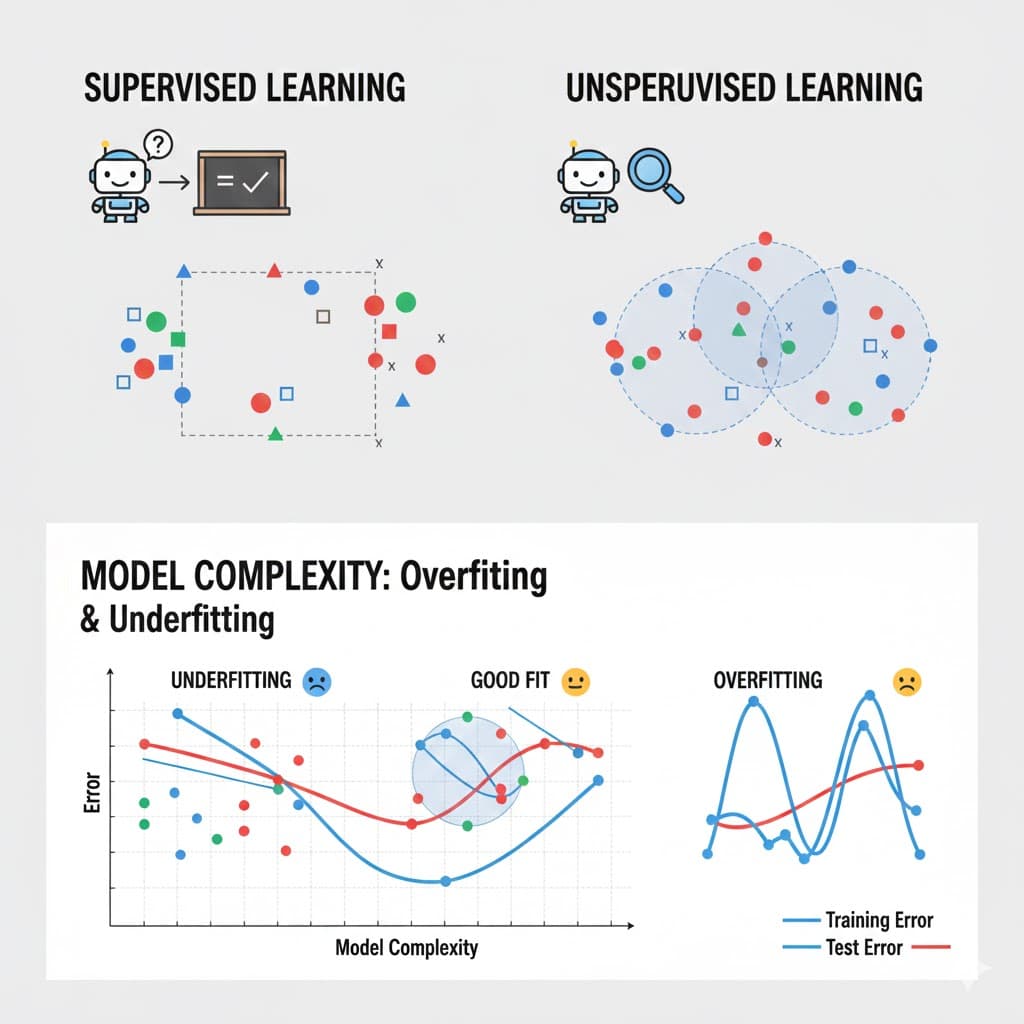
A developer's guide to the core concepts of machine learning: from data labeling to the delicate balance of model complexity.

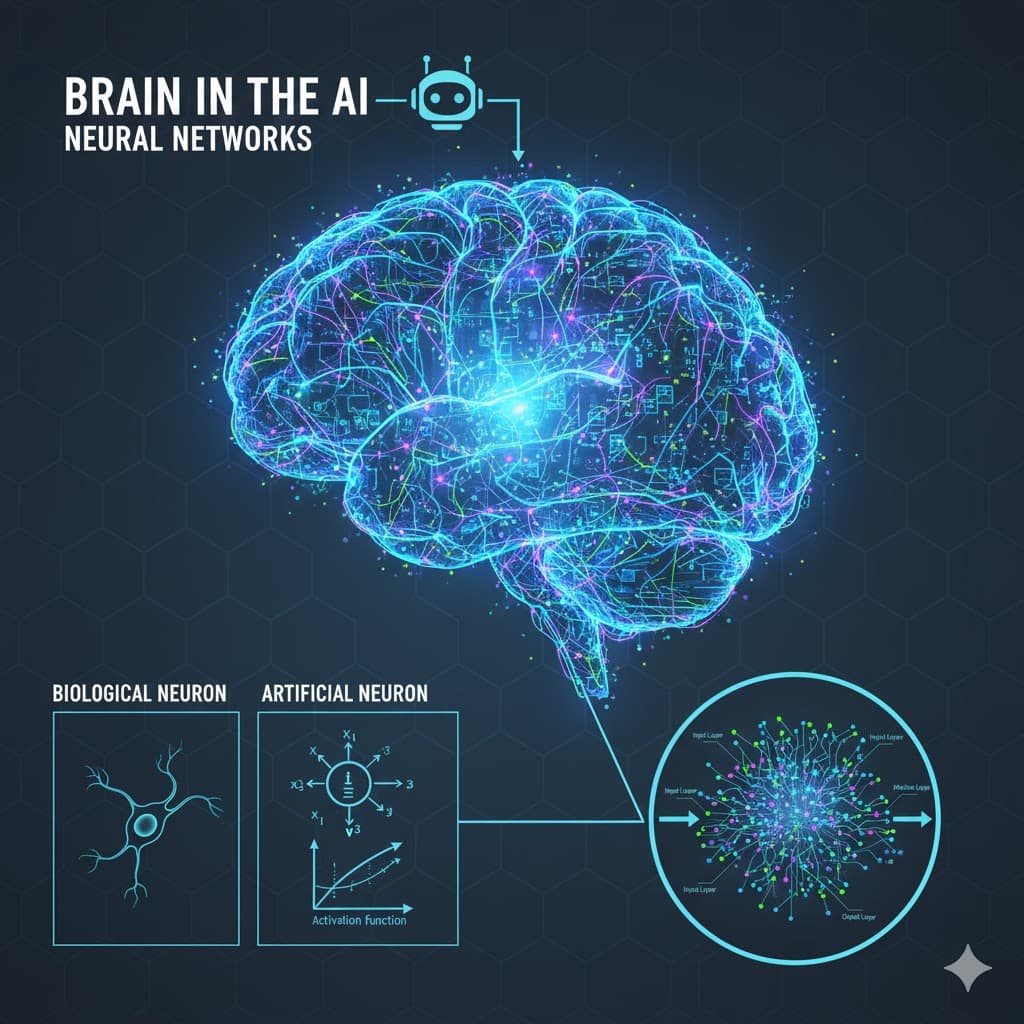
A deep dive into the architecture of neural networks, exploring layers, activation functions, and why they dominate modern AI.

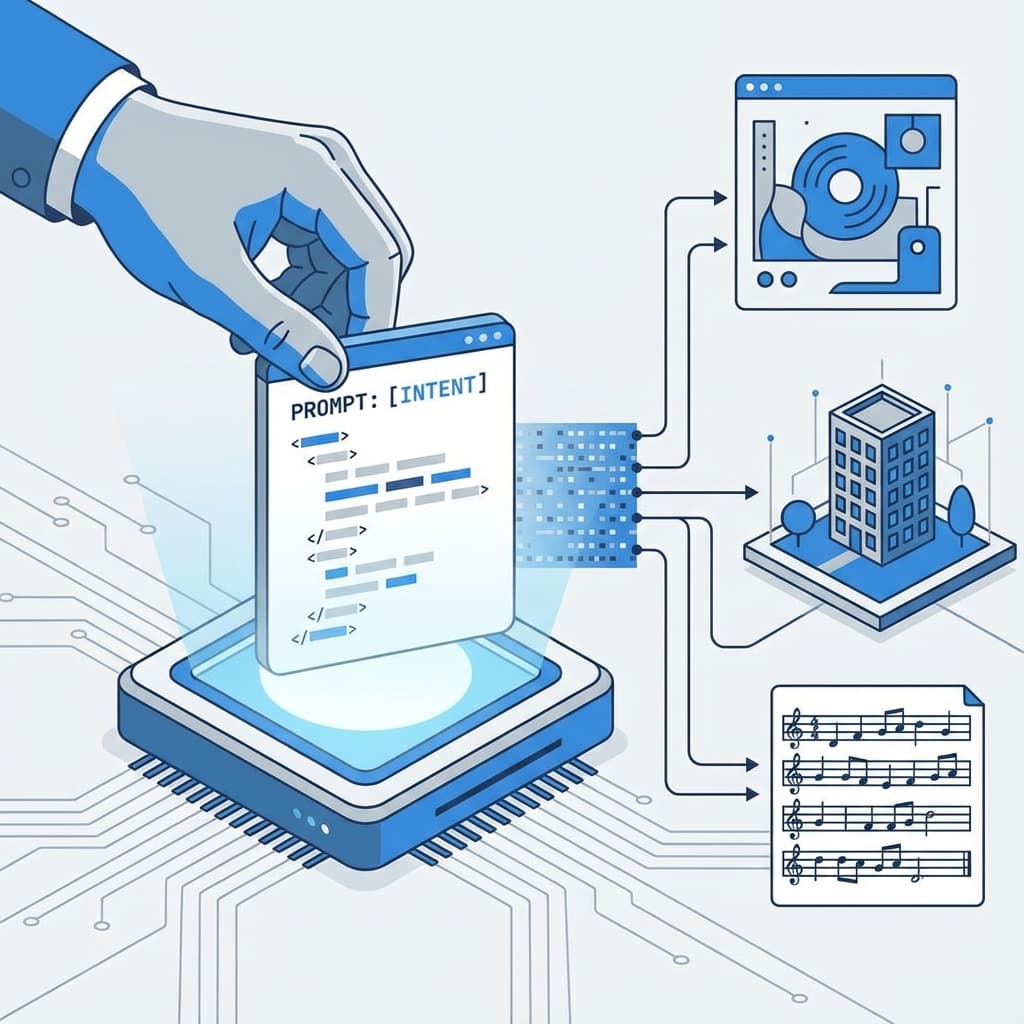
Stop guessing and starting engineering. A technical guide to the principles of reliable prompt design for AI agents.

Why most AI agents fail in production and how to build systems that detect, correct, and learn from their own errors.