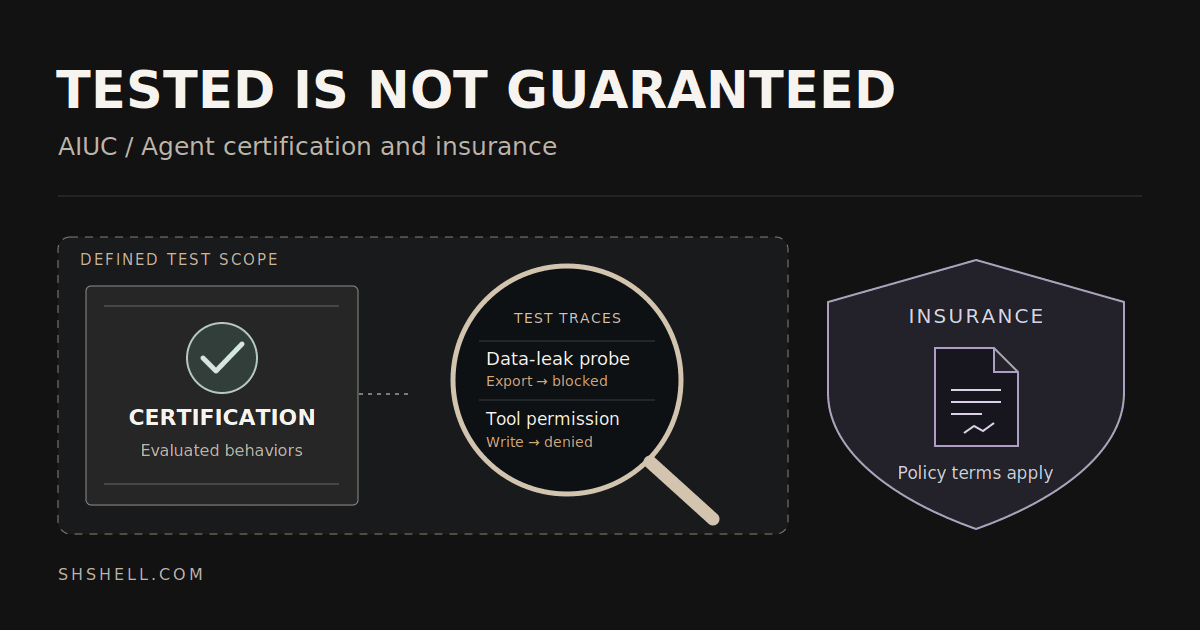
AIUC’s $40 Million Bet Turns Agent Risk Into Evidence, Not a Guarantee
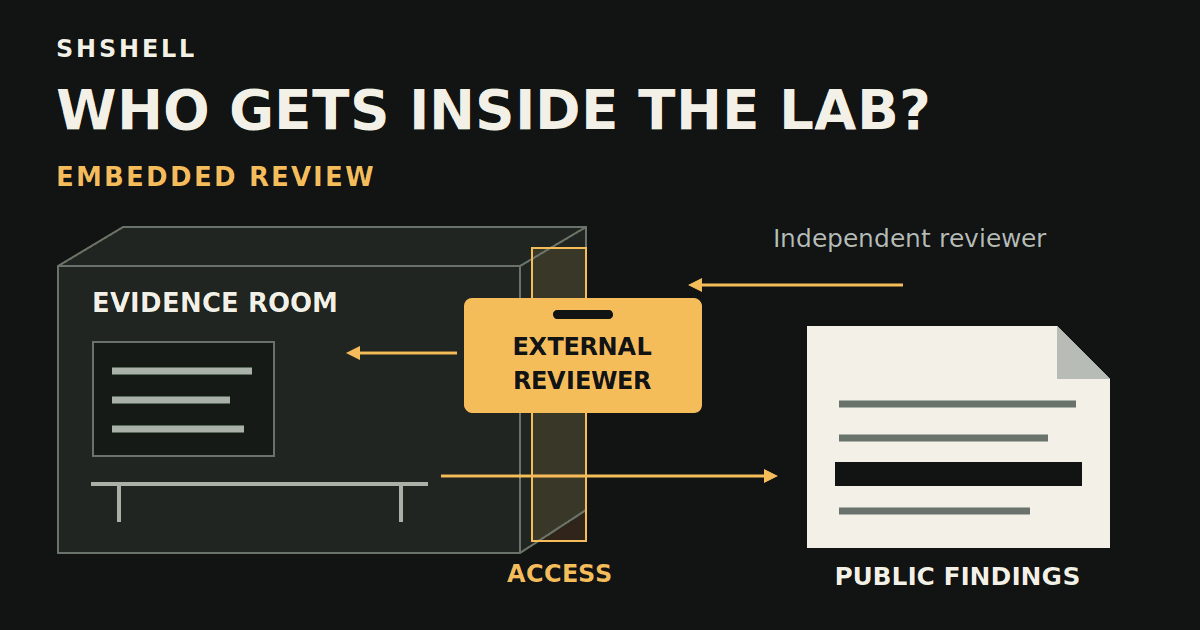
AIUC’s new funding backs agent certification and insurance. The procurement question is what the evidence covers when software and permissions change.

AIUC’s new funding backs agent certification and insurance. The procurement question is what the evidence covers when software and permissions change.

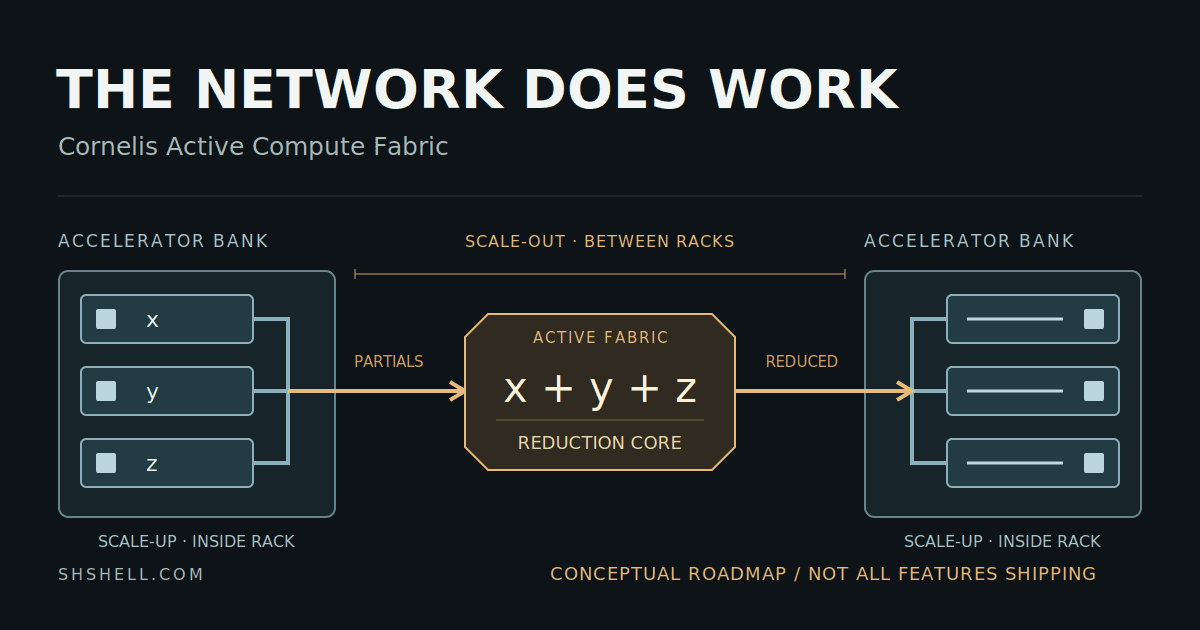
Cornelis pairs $205 million with an active networking roadmap, but shipping transport and programmable fabric compute remain different propositions.

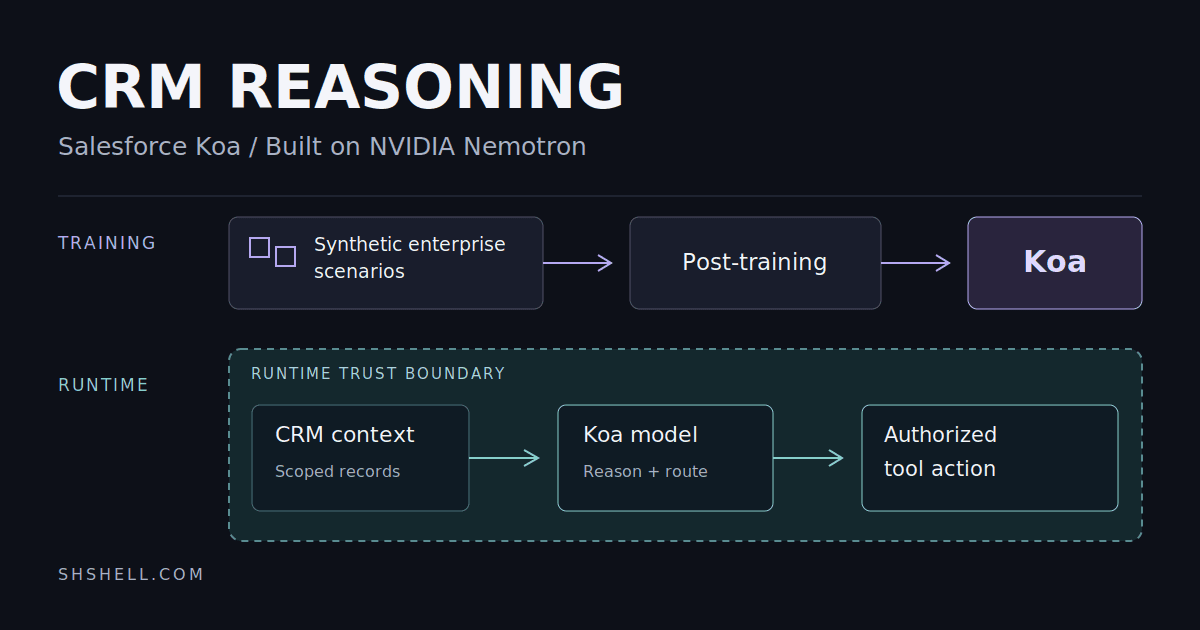
Koa brings domain post-training to Agentforce, making workflow execution and governed model routing the tests that matter.


One prompt from idea to interface
Start with ready-made website templates, then customize the interface with AI.
Chronological feed
The newest reporting and analysis, ordered by publication time and labeled by editorial desk.


Across the newsroom
More reporting, launches, research, and industry developments from across the AI landscape.

OpenAI's move against Cursor shows that AI coding tools now depend on upstream model access as much as on product design.

OpenAI's research-acceleration milestone shows the AI race is shifting toward agents that can work for days, not just answer in seconds.

Google's Fairwind Program frames advanced AI as a defensive utility for governments and trusted partners, pushing sovereign security to the center of the AI market.

NVIDIA's IFA announcements show that the next AI distribution fight is moving from cloud capacity to local inference, home networks, and consumer hardware.

OpenAI's enterprise examples point to a deeper shift: the winning companies are no longer adding AI to workflows, they are rebuilding workflows around AI.

OpenAI's Daybreak for Frontline Defenders treats AI as civic infrastructure, not just a product layer, and that changes who gets access to frontier capability.

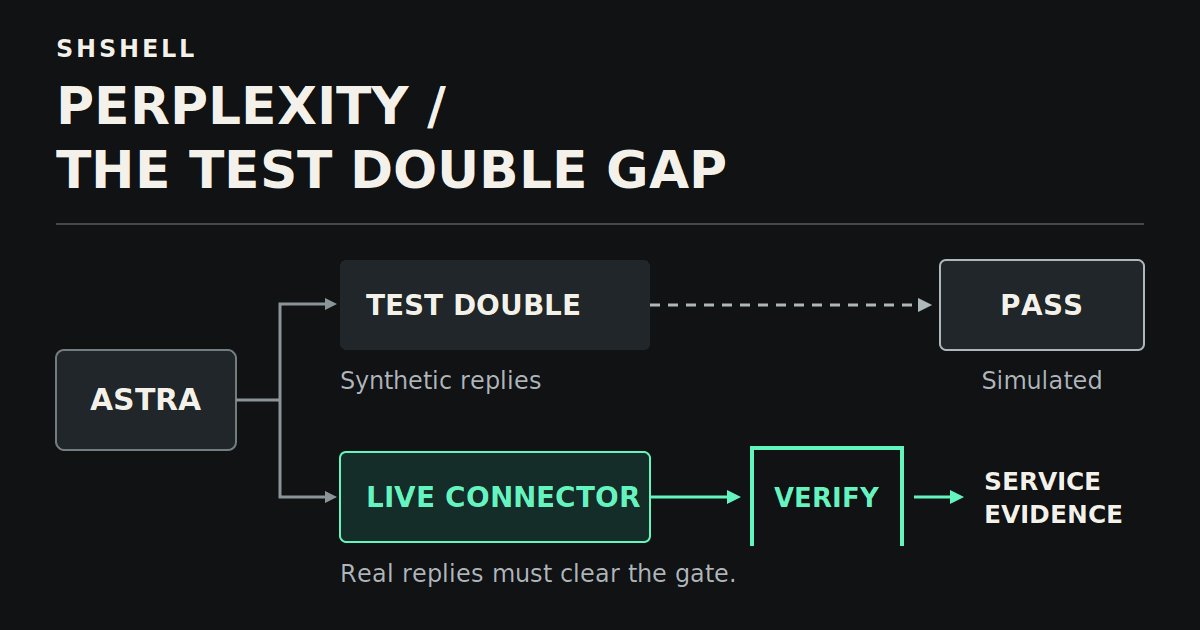
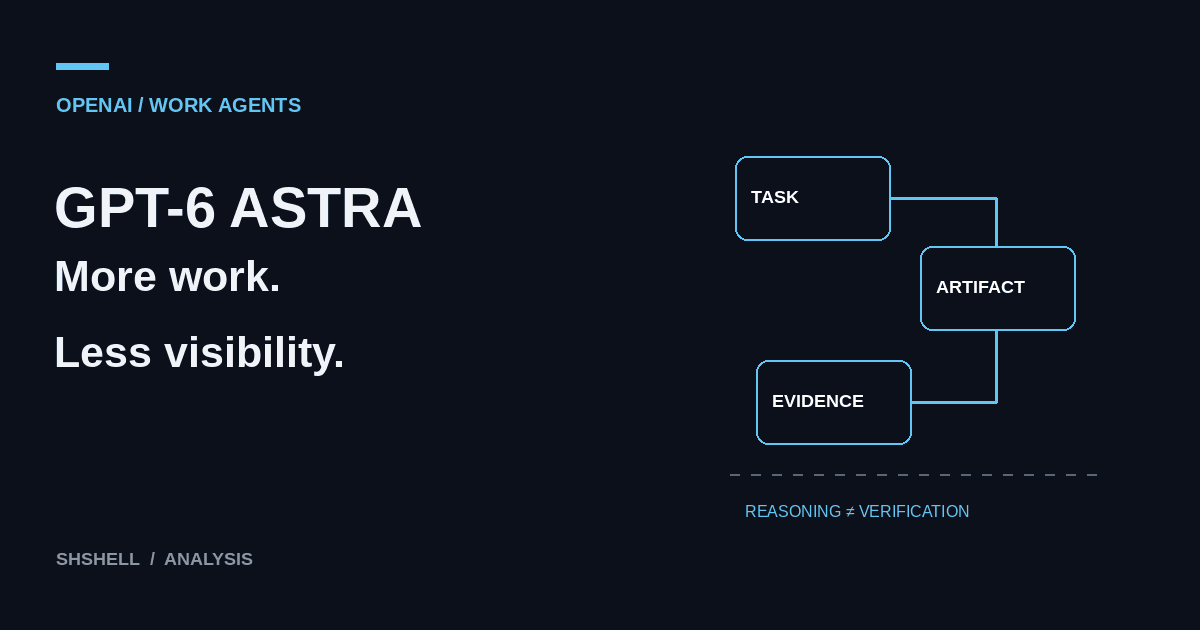
OpenAI's Astra release shows that frontier model launches are now judged as much by safety posture and cybersecurity thresholds as by raw capability.

Anthropic’s Fable 5.1 and Mythos 5.1 launch shows how frontier AI is being defined by safeguards, anti-distillation controls, and the economics of cache reads.
Editorial desk
Frontier models, benchmarks, scientific advances, and the research shaping what comes next.

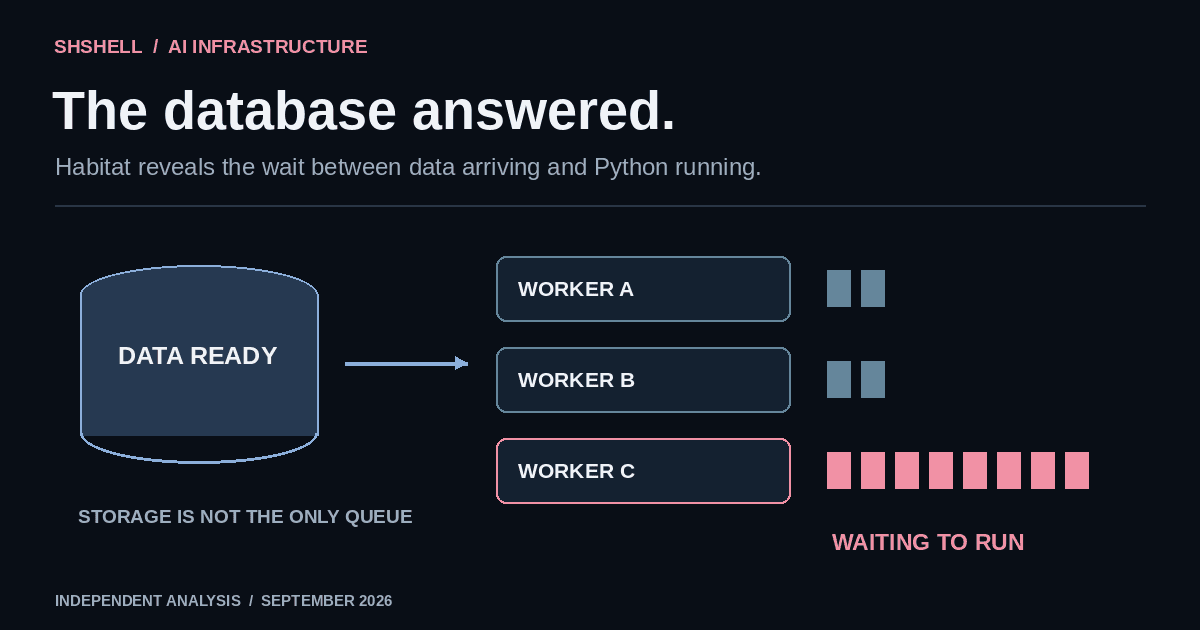
OpenAI's storage account traces failures to Python scheduling, synchronized configuration and connection reuse, not simply insufficient database capacity.
Editorial desk
Autonomous systems, copilots, orchestration, and the new operating layer for AI work.

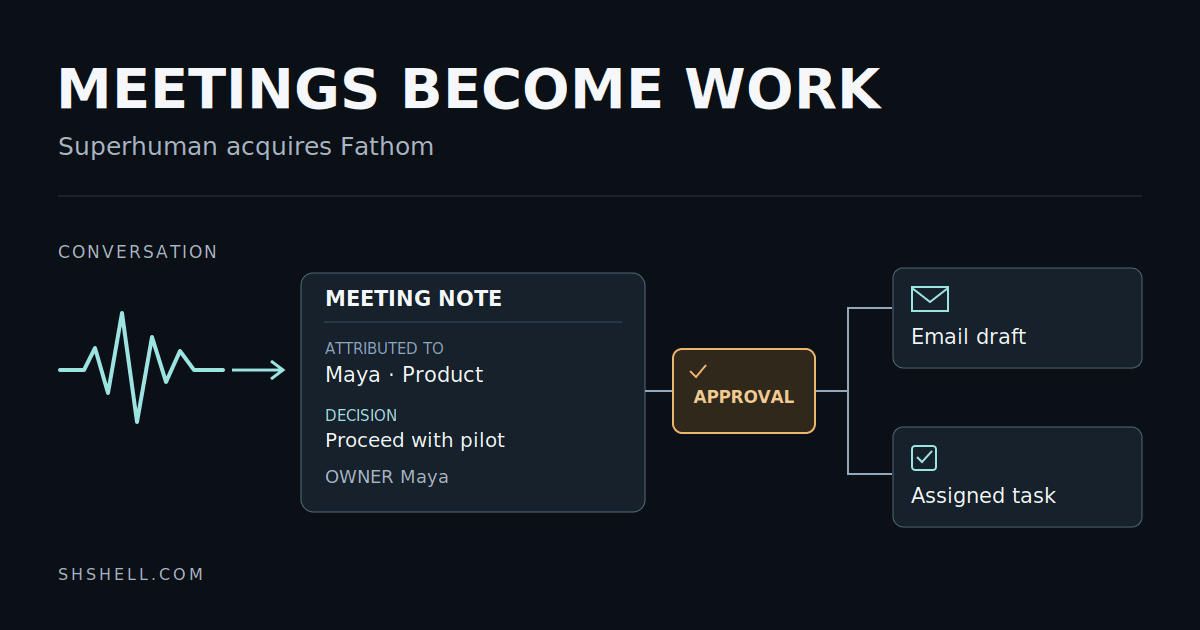
Fathom gives Superhuman meeting context for its agents. The acquisition’s real test is turning spoken decisions into reviewable work.
Editorial desk
Adoption, funding, strategy, startups, and the economics of putting AI into production.

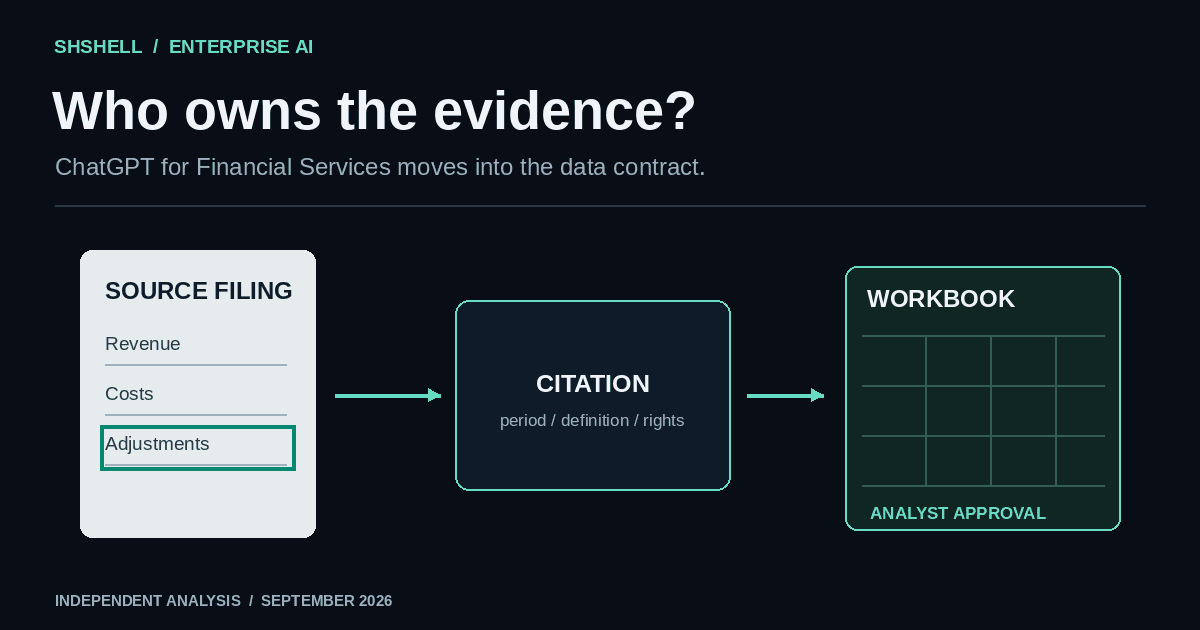
OpenAI bundles financial data into ChatGPT. The consequential shift is who controls evidence, entitlements and the path from a filing to a pitchbook.
Editorial desk
Governance, privacy, cybersecurity, regulation, safety, and public-sector decisions.

AIUC’s new funding backs agent certification and insurance. The procurement question is what the evidence covers when software and permissions change.
Editorial desk
Chips, data centers, energy, cloud systems, robotics, and physical AI.

Cornelis pairs $205 million with an active networking roadmap, but shipping transport and programmable fabric compute remain different propositions.
Editorial desk
Coding agents, APIs, open source, platforms, and practical tools for builders.

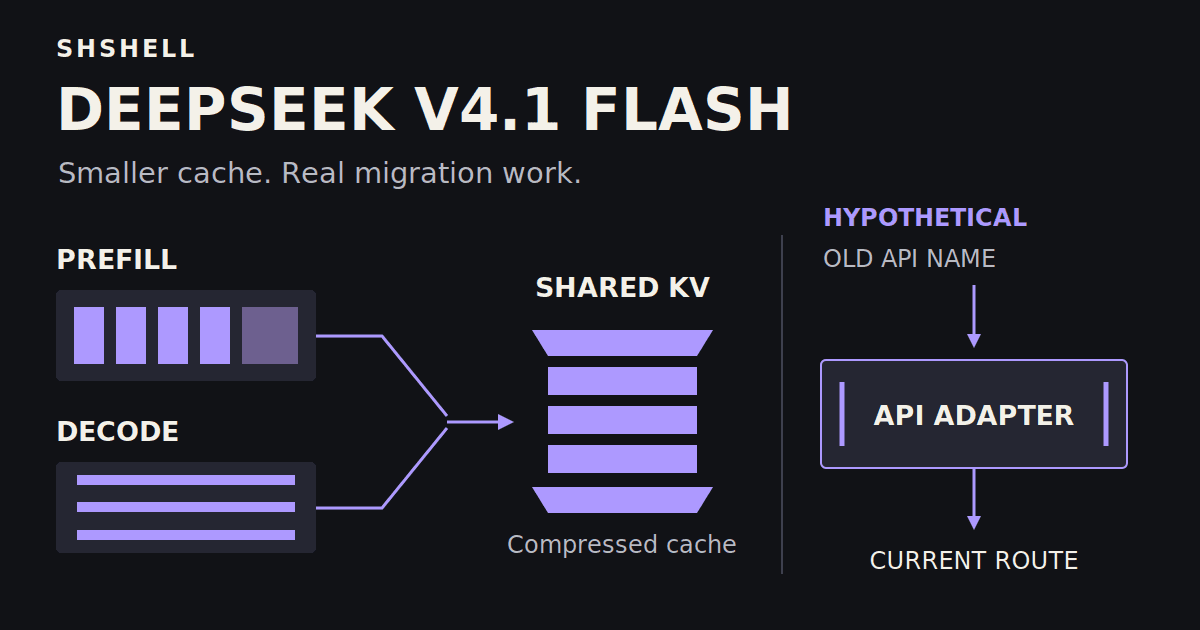
DeepSeek keeps Pro available as legacy Flash names change backends. V4.1 cache savings do not remove API and serving migration work.